Fire Protection
What is Fire Stopping
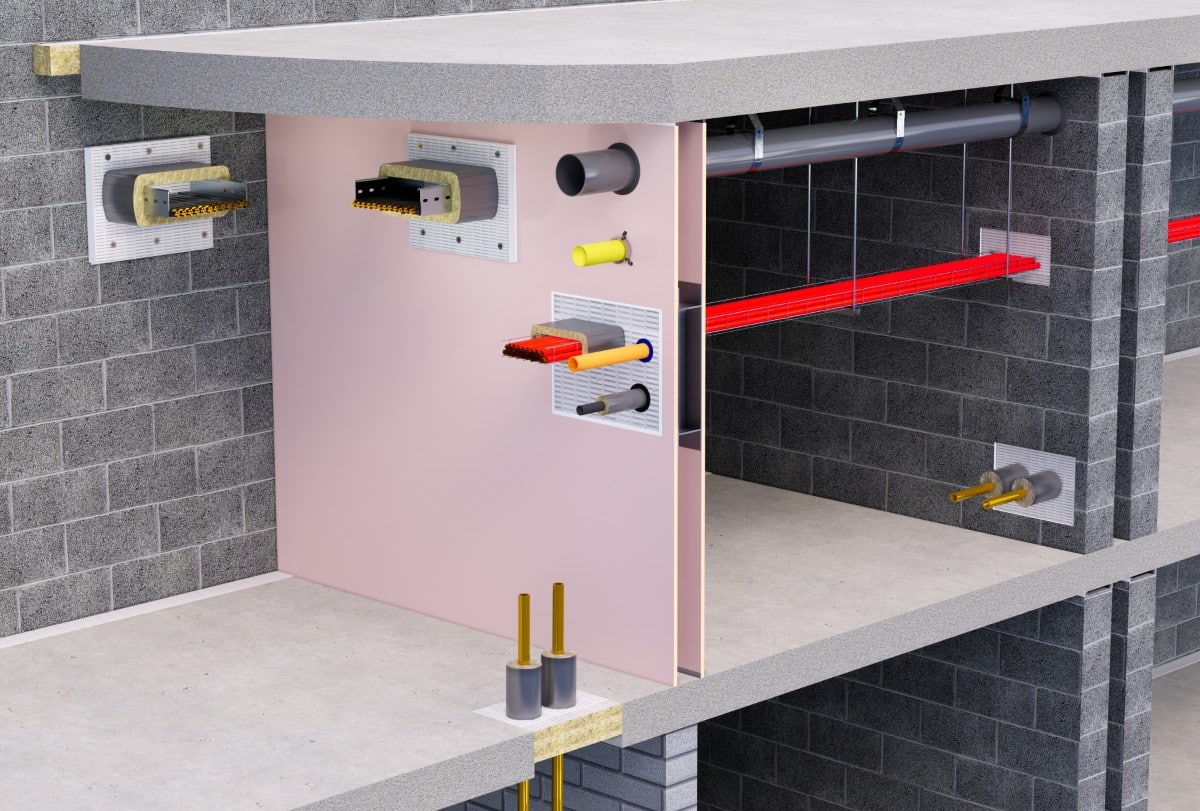
Fire Stopping involves sealing openings to prevent the passage of fire, smoke, and heat between different compartments within a building. The spread of fire is contained by creating fire-resistant compartments that subdivide the structure vertically and horizontally. Building owners are responsible for ensuring that any openings and gaps are properly fire stopped to restrict both lateral and vertical fire spread.
A ‘firestop’ is a fire protection system composed of various components designed to seal openings and joints in fire-resistance-rated walls or floor assemblies. For penetrating cables, these systems are often referred to as Multi Cable Transits (MCTs). Firestops are designed to restore the continuous fire-resistance of wall or floor assemblies by filling openings with fire-resistant materials, thereby impeding the spread of fire.
Fire Stopping Products
- Ablative Coated Batt
- Fire Sealants and Gap Fillers
- Fire Collars
- Fire Sleeves
- Fire Barrier/Curtain
- Flame Retardant Coating (paint)
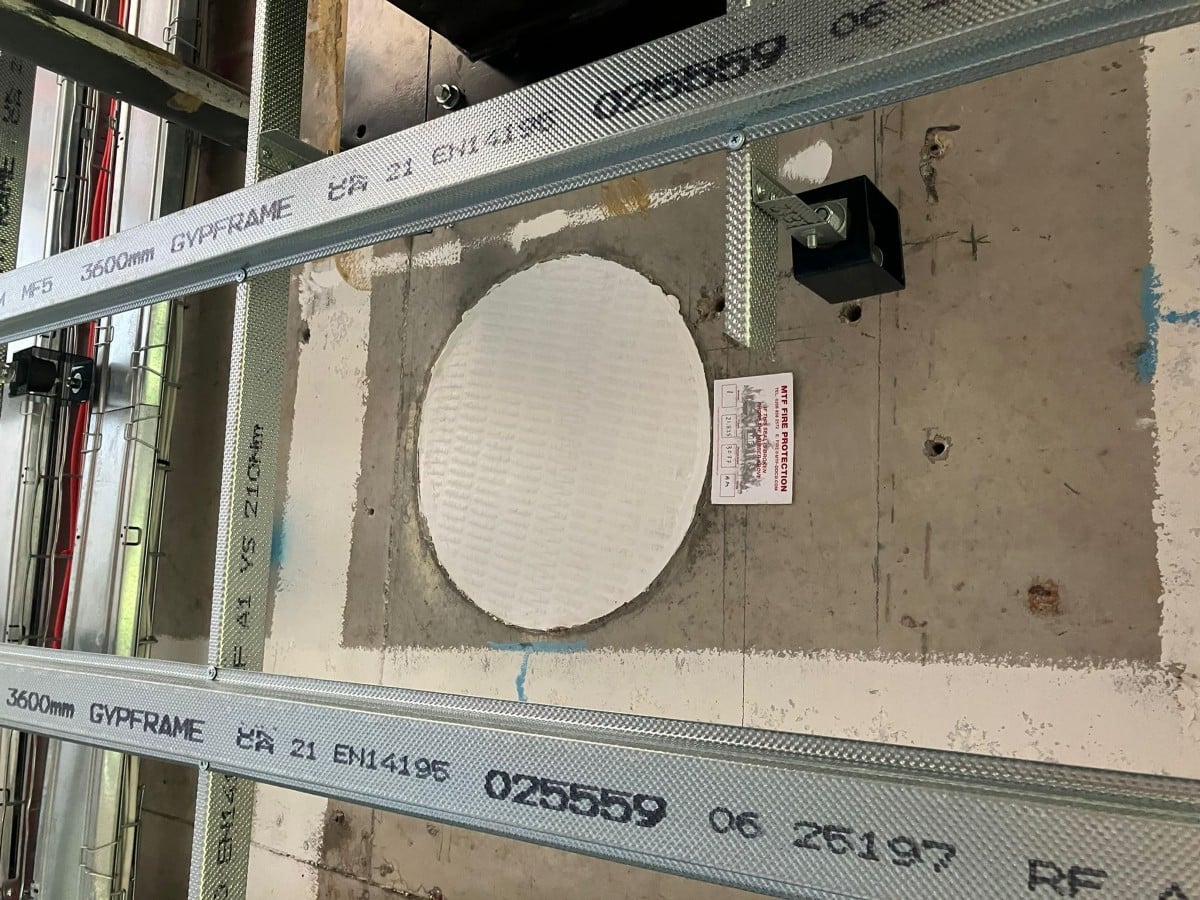
Ablative Coated Batt
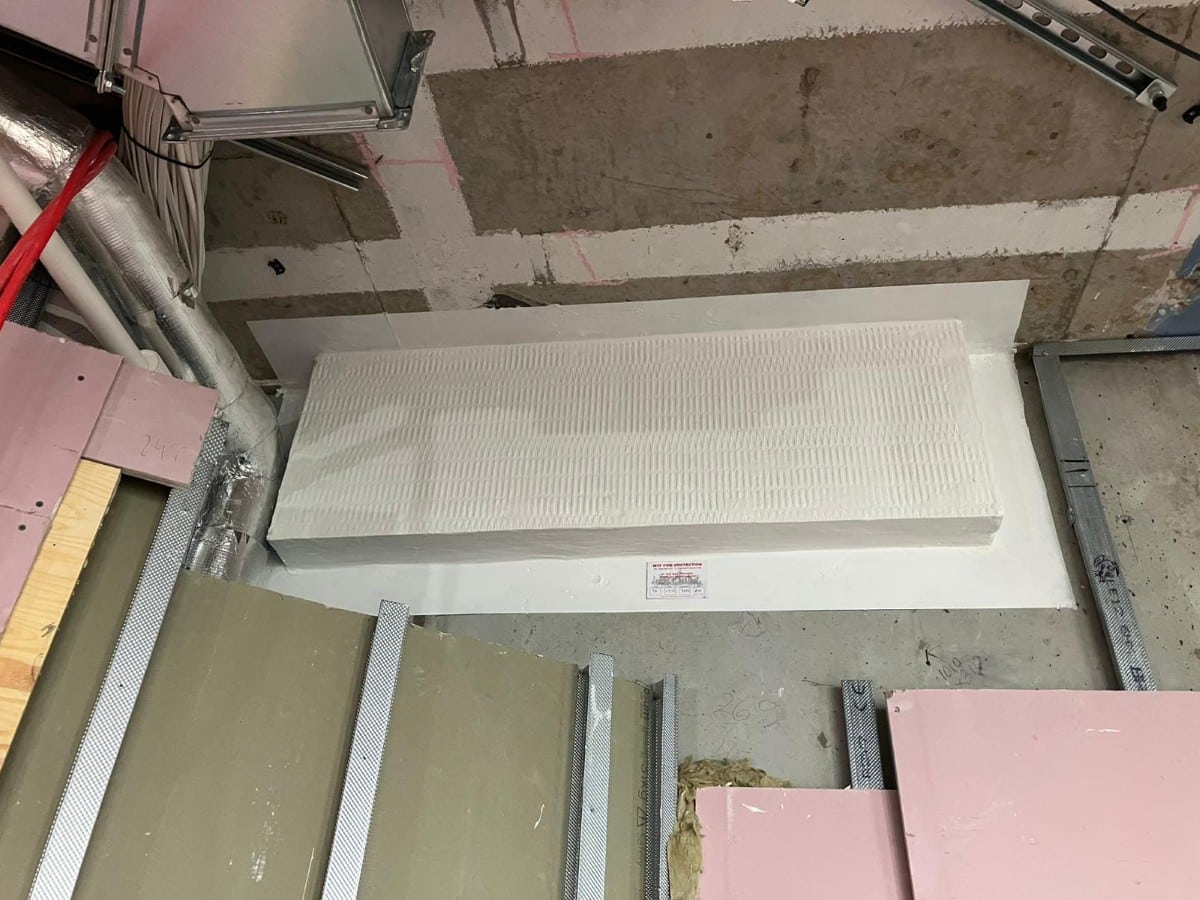
A high-density mineral fibre board with a factory-applied ablative coating, suitable for sealing around a wide range of service penetrations
Fire Sealants and Gap Fillers
Formulated to expand when exposed to high temperatures, effectively preventing the spread of fire and smoke. There are various types of sealants tailored for different substrates and specific applications to ensure optimal performance and safety.
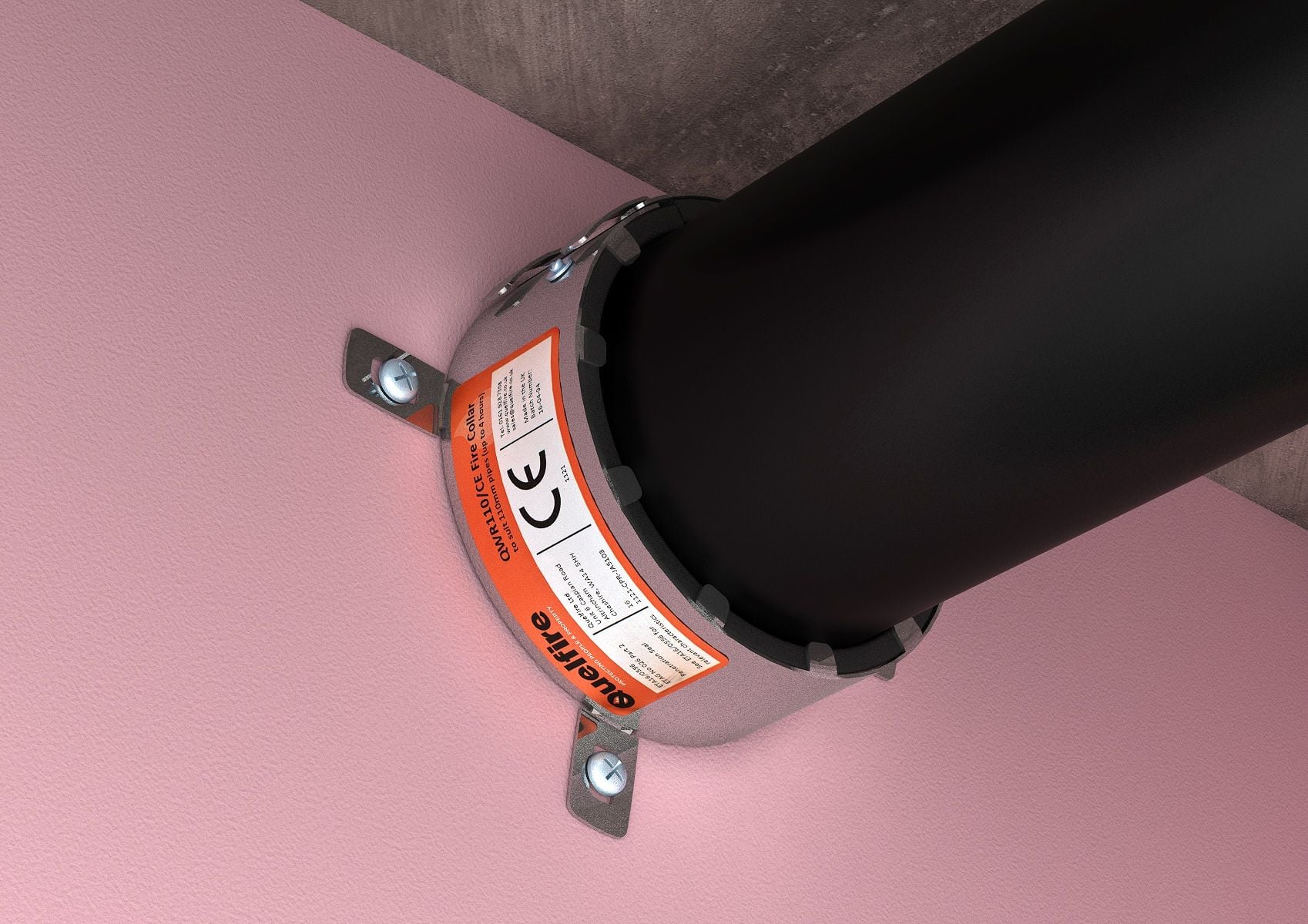
Fire Collars
Designed to maintain the fire resistance of penetrations by encasing pipes and other services with intumescent materials that expand during a fire. This expansion creates a barrier that prevents flames and hot gases from passing into adjacent compartments, thereby helping to contain the fire.
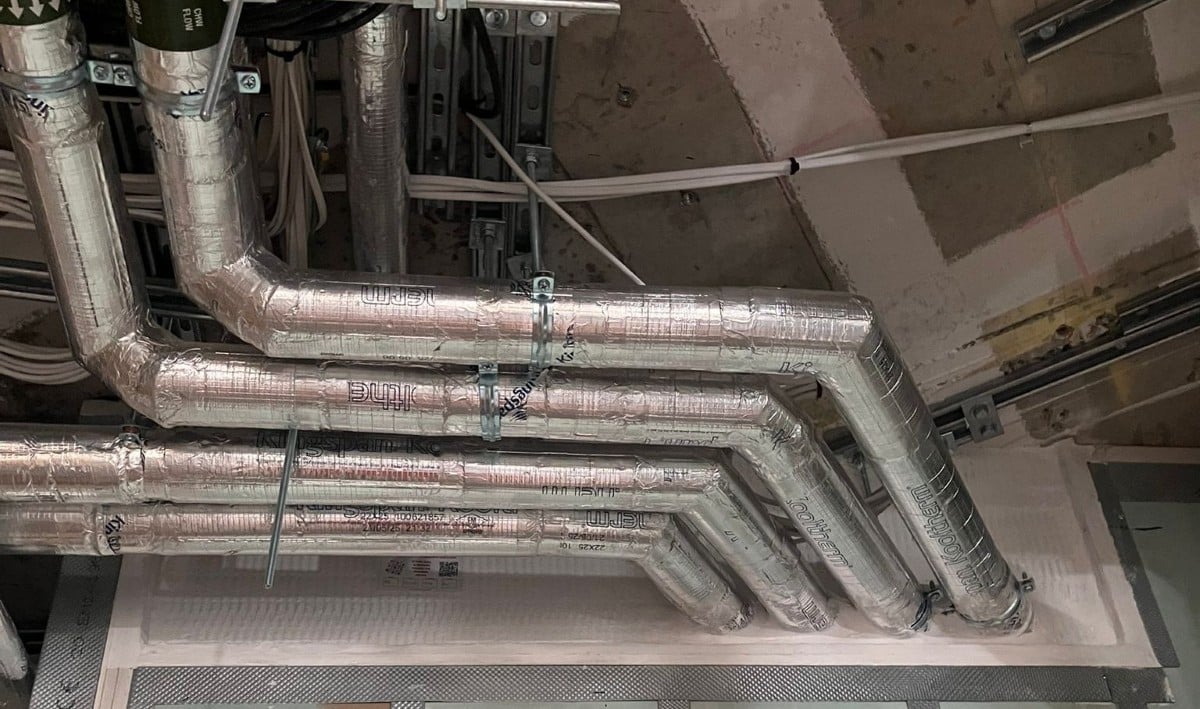
Fire Sleeves
Designed to fill or seal the openings created by pipes or cables passing through fire-rated walls or floors. During a fire, the sleeve expands to fill the space between the service and the substrate. For plastic pipes, the sleeve will crush and create a seal around the pipe, preventing the passage of fire and smoke into adjacent compartments.
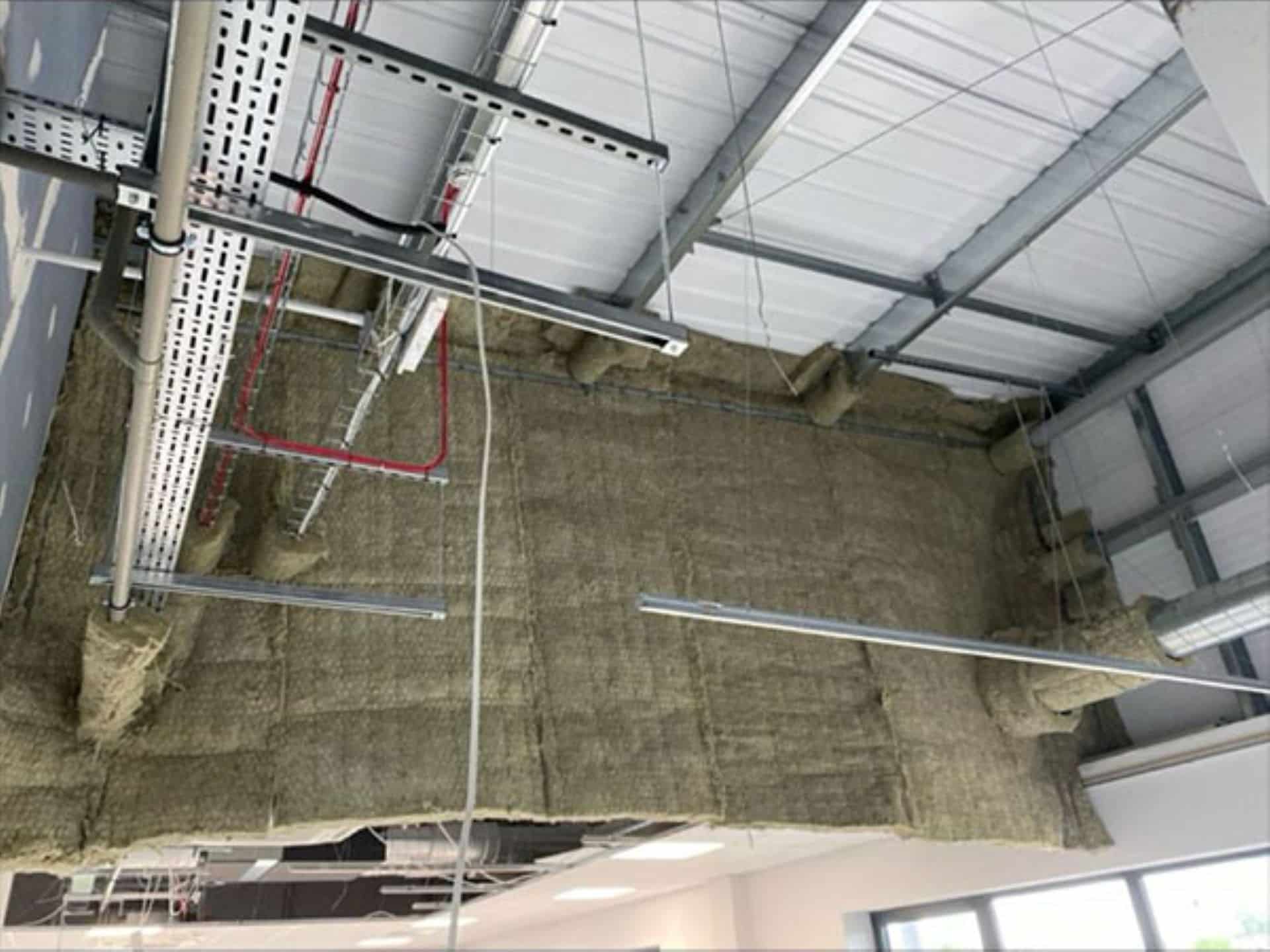
Fire Barrier/Curtain
Designed to prevent the spread of fire from luminaires installed in fire-related suspended ceilings. In the event of a fire, the cover expands internally to fill the available space, forming a fire-resistant, highly insulating char that helps to contain the fire
Flame Retardant Coating (paint)
Fire stopping paints are primarily intumescent paints, which swell into a char layer to insulate materials during a fire-, and fire-retardant paints, which chemically slow the spread of flames. These paints are available in various formulations, including water-based (eco-friendly and low odour), solvent-based (weather-resistant and quick-drying), and epoxy-based (suitable for harsh environments and hydrocarbon protection). They provide passive fire protection by delaying structural failure for a designated period, typically ranging from 30 to 120 minutes.
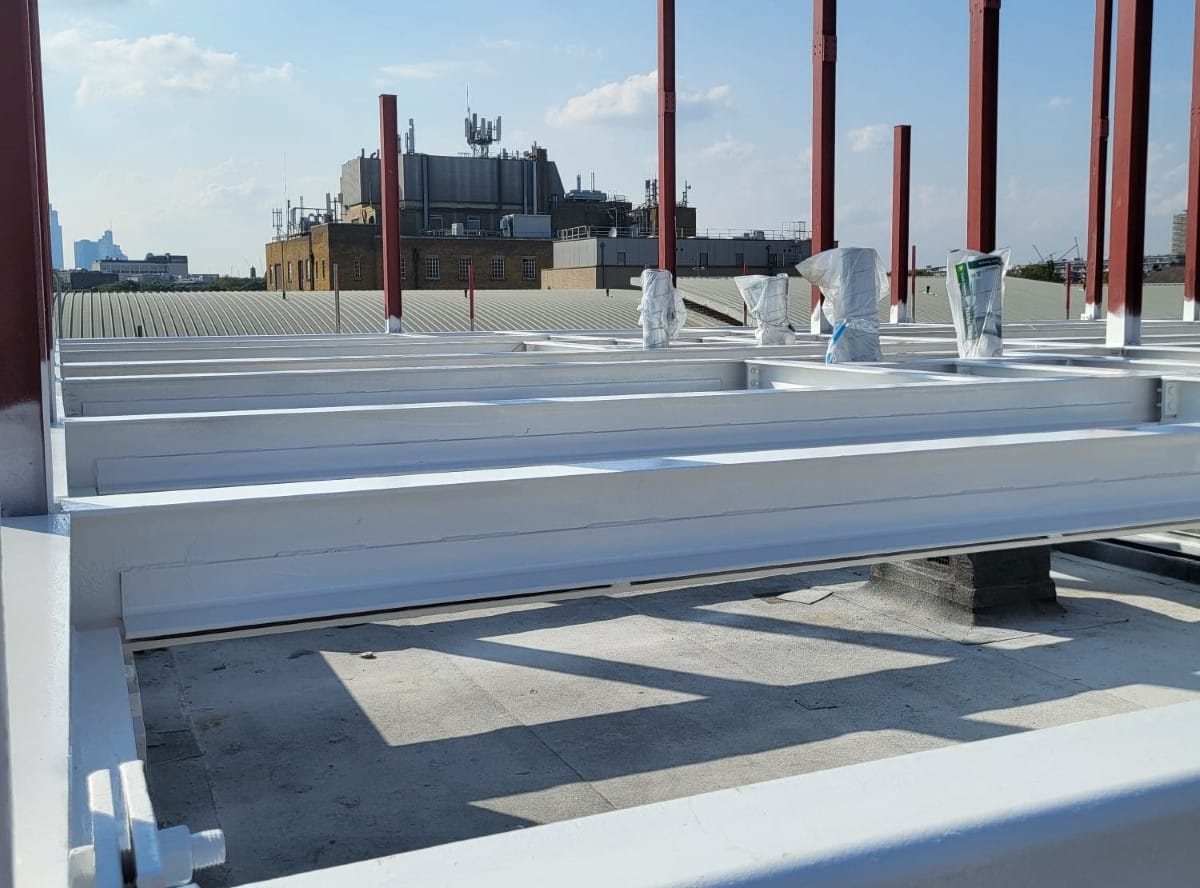
Ablative Coated Batt
A high-density mineral fibre board with a factory-applied ablative coating, suitable for sealing around a wide range of service penetrations
Fire Sealants and Gap Fillers
Formulated to expand when exposed to high temperatures, effectively preventing the spread of fire and smoke. There are various types of sealants tailored for different substrates and specific applications to ensure optimal performance and safety
Fire Collars
Designed to maintain the fire resistance of penetrations by encasing pipes and other services with intumescent materials that expand during a fire. This expansion creates a barrier that prevents flames and hot gases from passing into adjacent compartments, thereby helping to contain the fire.
Fire Sleeves
Designed to fill or seal the openings created by pipes or cables passing through fire-rated walls or floors. During a fire, the sleeve expands to fill the space between the service and the substrate. For plastic pipes, the sleeve will crush and create a seal around the pipe, preventing the passage of fire and smoke into adjacent compartments.
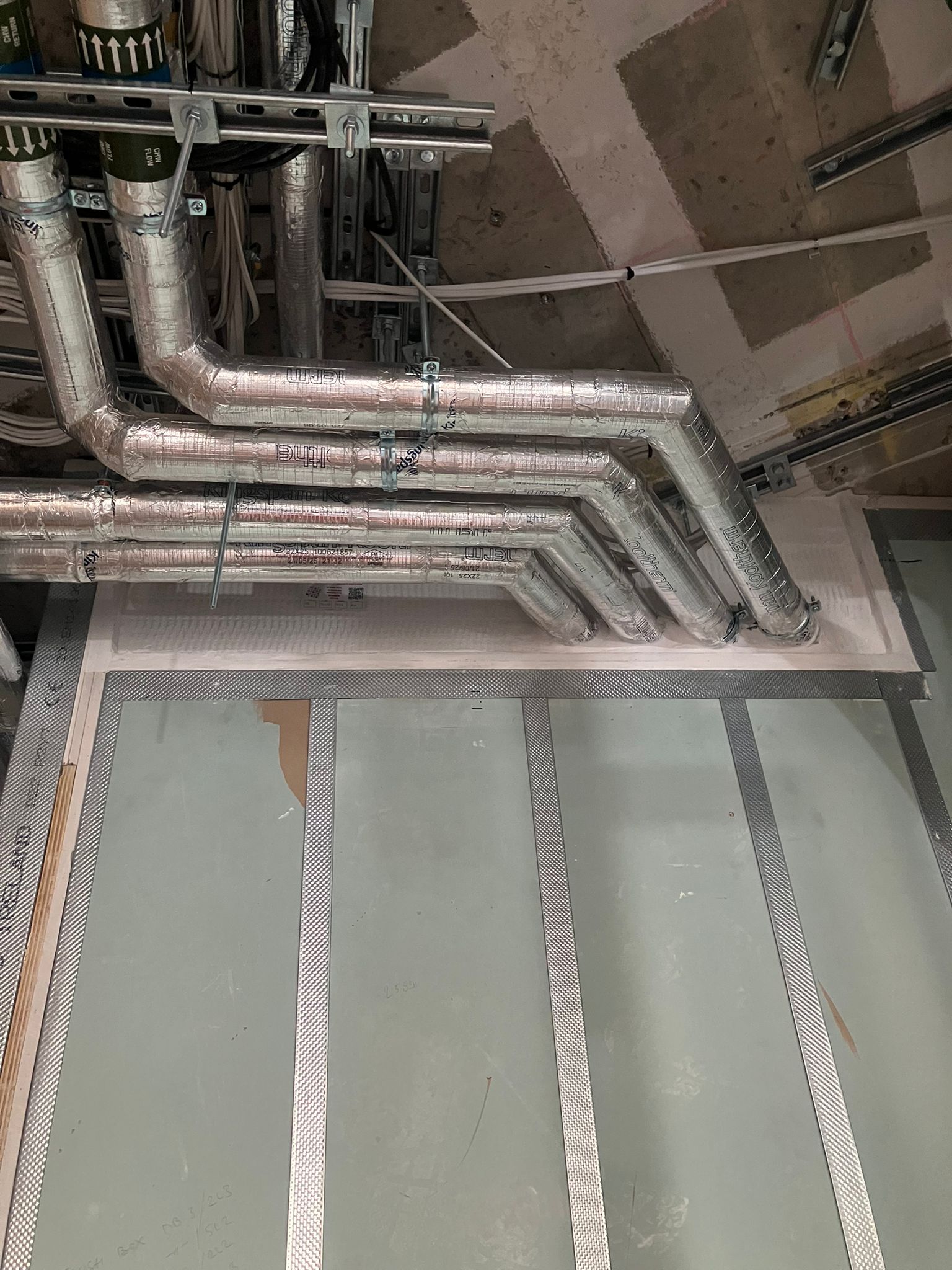
Fire Barrier/Curtain
Designed to prevent the spread of fire from luminaires installed in fire-related suspended ceilings. In the event of a fire, the cover expands internally to fill the available space, forming a fire-resistant, highly insulating char that helps to contain the fire
Flame Retardant Coating (paint)
Fire stopping paints are primarily intumescent paints, which swell into a char layer to insulate materials during a fire-, and fire-retardant paints, which chemically slow the spread of flames. These paints are available in various formulations, including water-based (eco-friendly and low odour), solvent-based (weather-resistant and quick-drying), and epoxy-based (suitable for harsh environments and hydrocarbon protection). They provide passive fire protection by delaying structural failure for a designated period, typically ranging from 30 to 120 minutes.
Compliance and testing
Our products are rigorously tested and approved by various independent authorities across Europe, in accordance with standards such as EN 1366-3 and BS 476-20. Many of our products also hold ETA (European Technical Assessment) certification, ensuring compliance and reliability.
Installation
We are proud to offer Fire Protection systems that are quick and easy to install, helping to save valuable time and reducing the hassle of fitting complex products. Additionally, we provide on-site support whenever needed to ensure seamless installation and optimal performance.
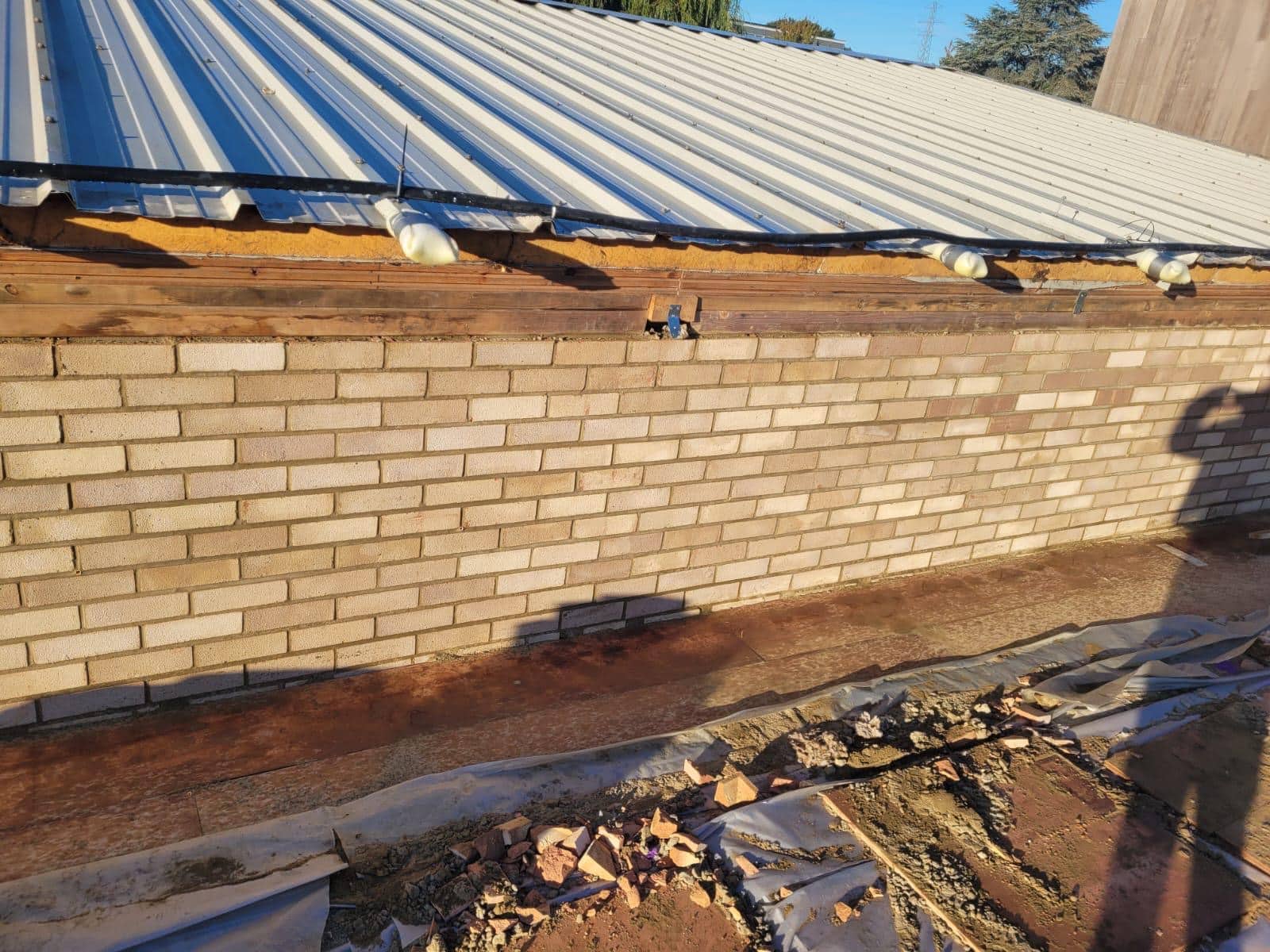
Remediation
The Pre-Construct Group fire stopping products are ideal for retrofitting in buildings where existing fireproofing solutions are insufficient. An added benefit of our products is their exceptional ease of installation, making upgrades quick and hassle-free.
Advice
Sourcing and specifying fire stop solutions can be complex, but our team is here to help. Our Technical Support Advisers provide a free project support service, offering expert guidance to ensure compliance with building regulations and identify the most effective solutions for your project.Whether you need advice or detailed technical support, you can speak directly with our team for clear, practical guidance.
Let’s Talk About Your Fire Protection Project
Speak to our team about compliant fire stopping solutions, installation support and expert advice for your building or construction project.